

Welcome, dear reader! Today we’ll look at freedom, what it means to be free and how much this costs us.
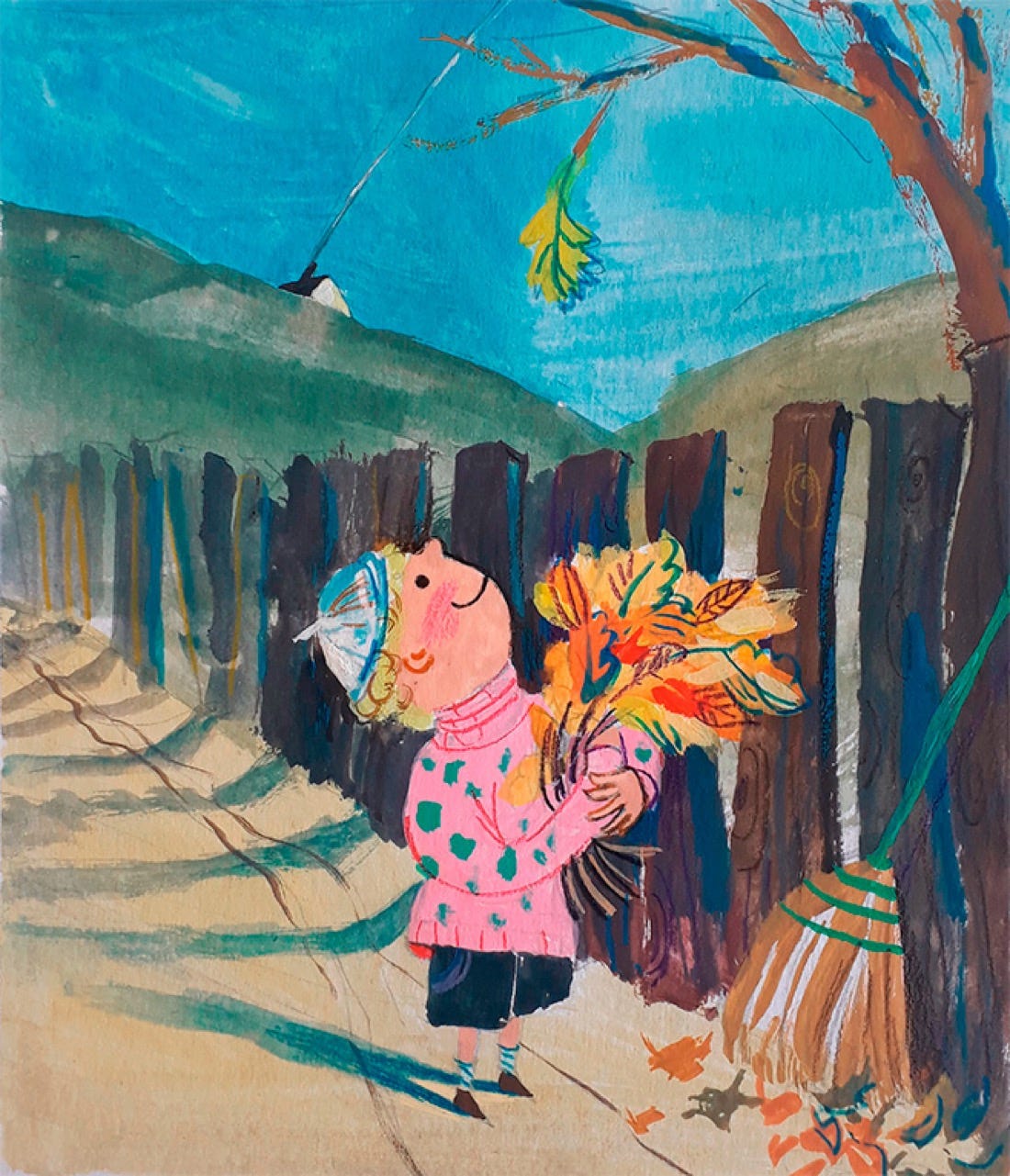
One day Buck is stolen and deprived of the comfort he’s used to.
He’s the upbeat dog in Jack London’s The Call of the Wild whose character represents almost all of us. He belongs to Judge Miller who has a huge California estate, where he feeds, protects and takes care of everything the dog needs.
One day thieves beat and ship him North and throw him into the Klondike where he’s attacked by cold, exhaustion and violence. There’s no rest for him out there. Each deprivation shocks him, but soon he adapts. He learns to sleep on snow, steal food, defend himself, read situations and danger quickly and survive with far less than what meant death earlier.
Buck picks himself up and transforms into a pillar of endurance. Circumstances lose their power over him as he traverses beyond the limits of what he thought possible. No one can shake him at that point.
This is what Epictetus talked about in length in his Discourses. He himself was enslaved- but he argued that a person needing the cooperation of external circumstances to go on about life was no free man. Anyone who can’t endure embarrassment, loss, criticism or exclusion gives people who can inflict these dangers leverage over them.
To illustrate the point, he talks of a slave convinced that manumission would solve his troubles. But once this man gets free, he begins seeking security elsewhere. He prostrates before wealthy patrons to get dinner invitations. He goes after political office and tolerates humiliation to get it. He marries, buys new possessions and in the process acquires new anxieties as he doesn’t wanna lose them.
Is this freed man still free? Epictetus asks.
This is why he often concluded that, Your master is the person who can give you what you think you can’t do without, or one who can inflict pain you believe you can’t endure.
Needing another person’s opinion or approval will dictate your mood. Needing a client to stay makes their departure terrifying. Needing a relationship to continue at any cost makes you tolerate the unimaginable. Needing a good reputation makes anyone capable of embarrassing you your master.
Look, I don’t want you to quit your job, or never start a business or live outside civilization where you don’t have to deal with any of this. The point is to practice inner detachment from the things you pursue and the people around you while caring, loving, negotiating the deal, managing the project and engaging with the world rigorously while leaving the outcome to the universe and returning your sovereignty to your character and choices. That’s freedom. And it’s price is redirecting our attention to our mind and skills- their quality and application- whenever we veer off. Don’t tire.
So when your anxiety around a particular thing intensifies, I want you to reflect on this passage and questions for a better life-
September 25 — Epictetus on the price of freedom
Epictetus, Discourses 4.1, “On Freedom”
“A person is free when they can live as they choose: when they cannot be compelled, obstructed, or forced into what they wish to avoid. Whoever places their good in things controlled by others has made themselves dependent on them.”
Socratic questions for a better life,
Identify 3 things you desire that depend on someone else’s cooperation. Could be affection, sex, money, recognition, opportunity, reputation, or promotion. How much power are you giving away in pursuit of those things? Now repeat the exercise with what you fear losing.
Where have you placed your well-being on the achievement of external goods and confused it with ambition? When your progress slows down and achievement is uncertain, how does your behavior change? And do you like who you become?
Is it possible to relocate your good to your rational judgments, strategy and actions? Do you think this would weaken your commitments to people, institutions, security, or ambitious projects whose outcomes matter?
What are you asking or looking for from another person that you believe you can’t give yourself? Is it possible to become someone you admire- someone who’s regard is high enough for self-consideration?
How would you balance the independence in your actions while accepting the dependence we have on others? At what point does the buck stop with you?
What would have to remain intact for you to regard yourself as having lost an outcome without having lost anything essential? What counts most in your dealings that you’d consider a win- no matter the outcome?
Thanks for reading this far, . Remember you can always join our private community, here, for more organized practice around Stoic philosophy.
Have a wonderful day ahead.
With love,
Antonius Veritas, M.D.
Thank you! Epictetus!! Pretty cool guy! I am just now learning about the Greeks and the Stoics at age 67 and find it pretty fascinating! I did not realize for sure that he was a slave. I can not even imagine being “ owned” by someone or some thing. I am very possessive about my time but I do realize that all of it is a gift from God and a blessing! I try to be content and I am as far as material things go I don’t like a lot of stuff I don’t own a house and my possessions fit in my car. But yeah my car is my independence and I know that someday I won’t be driving. I am glad my mind is free and that is where I really concentrate now trying to see if I am thinking for myself or letting all the smoke and shadows obscure truth. Like how you have this site set up. I was surprised to see my name. Peace friend.