


Welcome, dear reader! See, when one person becomes your biggest source of happiness, the fear of losing them can govern your life. You hide opinions, neglect ambitions, and struggle to enjoy anything in their absence. Yet, you should love fully- life is too short to do it halfway. A balance is needed. That’s what we’ll look at today. If you missed the last edition on How to Trick Your Brain Into Doing Difficult Things, you can catch up right here.
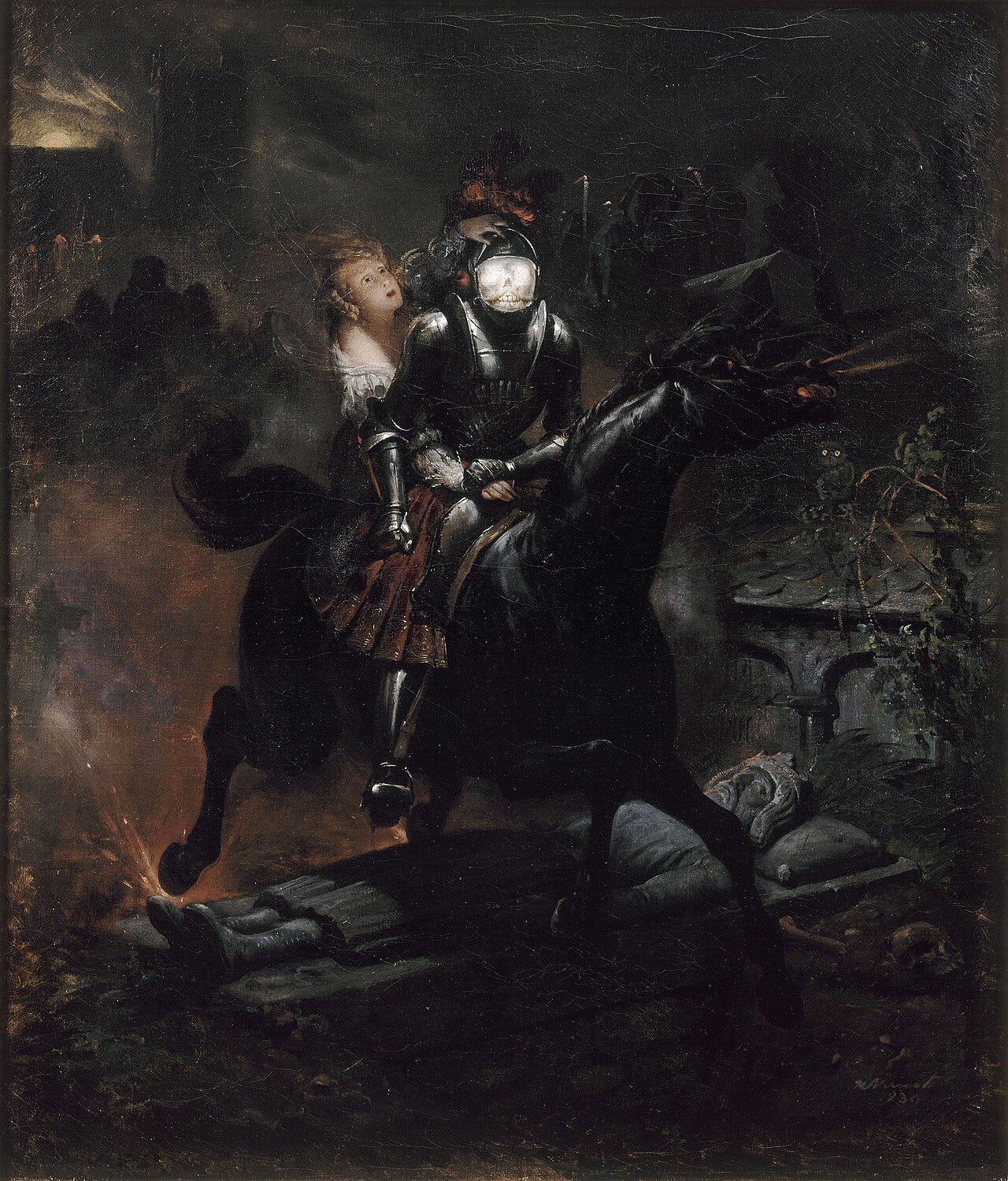
“Nevertheless, he desires friends, neighbours, and associates, no matter how much he is sufficient unto himself.” — Seneca, Letters 9.3
My girl could go a few hours without talking to me and give me debilitating anxiety for the day.
In my teenage years, that was enough to make me think she didn’t like me anymore. If she talked to someone else, jealousy would consume me. I needed reassurance, and the more I sought it, the more likely I was to hear words I hated- you're clingy.
I can laugh at it now, but I remember how much that hurt. In my head, I was loving this person and showing her how serious I was by being all in her face.
And when she pulled away- I tried harder. Her withdrawal became another reason to pursue her, until the relationship suffocated.
Several relationships ended with that same issue. Eventually, I tried my hand at being nonchalant. Cultivating mystery meant I held back affection, suppressed the questions I wanted to ask, and gave the impression that nothing could touch me.
But this only hurt in a different way. I couldn’t express the love within me. I had given up the empathy I needed to create a connection and become rather more self-centred, a playboy of some kind whose attention still revolved around ladies and what they thought of him.
It took me longer to understand how to love someone fully while giving them room to express their love. I discovered that they also yearned for a chance to seduce me, ask how my day had been, what my fears were, or why I liked eating fruit a certain weird way. And while giving them the room to do so, I could, in tandem, discover my other interests and experiences.
There was a whole life waiting for my participation.
a colorless life
In Anton Chekhov’s The Darling, Olenka receives a telegram announcing her husband’s death. Devastated, she asks why he has left her and how she can live on without him. During their marriage, she had fully entered his spirit- his theatre had occupied her thoughts; she had adopted his opinions and echoed his complaints about audiences.
Later, she marries a timber merchant. Soon she thinks, talks, and even dreams about timber. Theatre now seems a frivolous distraction. Her devotion has found another person, and her understanding of the world changes with him.
When he dies, she mourns again. A subsequent attachment to a veterinary surgeon gives her another set of concerns to adopt. Then he leaves town, and she finds herself without opinions or anything authentic she wants to say.
The world continues around her, offering little that moves her.
Olenka’s tenderness makes this a painful read. She has so much affection to give, yet so little life remains her own when someone leaves. You can recognize something of yourself in that emptiness whenever an unanswered message makes everything else feel bland and pointless.
For some people, affection has felt uncertain enough that they’ve learned to watch for withdrawal. Others have spent years absorbed in demanding work, leaving little time for friendships or interests. And when a connection develops, it carries them away.
Admitting this can be uncomfortable. We like to consider ourselves mysterious, cool, powerful, seductive beings. It’s harder to acknowledge how much of our day depends on whether someone seems pleased with us.
Once their attention becomes our biggest source of happiness, conflict threatens more than the relationship- it obscures our access to joy and relief.
We hide opinions, abandon ambitions, and tolerate things that hurt us because keeping the peace seems easier than enduring their displeasure. Until it isn’t.
where others stop and we begin
I’m not against loving a person to the fullest capacity we can. Life is too short to love half-heartedly. You should be able to express tenderness, become excited about someone, and let their presence make an ordinary afternoon beautiful.
But they can’t be your everything.
We’re still individuals, whether we like it or not, and we have to develop a capacity for happiness that includes other people while retaining our functionality in their absence.
Those closest to us will affect our moods. Sometimes they’ll hurt us, and sometimes their affection will rescue a difficult day. But we still have a responsibility to examine what we make of their behavior.
A few hours without a reply can become evidence of rejection if we keep supplying that interpretation. If we keep being suspicious. But it’s still possible to acknowledge our unease and return to what requires our attention before we get the facts of what an absence means. And when they do get back to us, we can even tell them to communicate better the next time they’ll be unavailable. I’m sure someone who likes you won’t want to see you in distress.
This is why having a purpose, or something meaningful to return to is most useful. In Meditations 5.1, when Marcus Aurelius feels distracted, he considers the devotion people bring to their crafts- the artisan absorbed in his work, the dancer in his art. He asks himself why he treats his own responsibilities with less seriousness.
You can approach your life’s task with that same reverence, as though it were a gift from the gods entrusted to your care. Perhaps you’re building a business, learning a profession, raising children, or making something that will help people you’ll never meet. Whatever it is- it depends on your willingness to show up for it.
This purpose needs time and dedication.
If every moment remains available to a lover, you’d lose the plot and become depressed for not fulfilling your destiny. You may have to explain that certain hours belong to your work and then keep returning your attention to it whenever you become distracted- and that conversation can require reassurance.
Someone accustomed to constant availability may feel unsettled when the arrangement changes. But you can explain what you need to cultivate and agree on time together that you’ll honor.
You should also notice if those conversations lead anywhere useful. If protecting reasonable time for yourself repeatedly brings punishment, threats, or demands to abandon what matters to you, you have to reconsider the terms on which you’re being asked to stay.
And then during your time together, your loved ones deserve your presence. They should feel how much you enjoy them, without competing with the work you’ve now brought to the table.
leave ample room for the world
There’s also value in allowing yourself periods of being alone before entering another relationship. After a breakup, the temptation to find someone quickly and fill that void can be powerful, especially when an empty evening grows heavy on your chest.
Give yourself enough time to discover what happens when you let a colder than usual evening pass. You might grieve, become bored, call a friend, cook something, or finally begin the book you’ve been meaning to read. Gradually, you learn which parts of your life need attention and what you enjoy when nobody is there to make it feel like fun.
Keep your friendships alive. Accept invitations and support. Being able to spend time alone can coexist with wanting company, asking for help, and remaining open to romance.
There’s no need to turn your evolution into another reason you’re avoidant.
The same exploration belongs within a relationship. The world is beautiful and full of excitement and possibilities. You can take up a sport, visit somewhere unfamiliar, learn to dance, or become interested in something that has no obvious use. One of the Lifemaxxing practices we explore at The Stoa can be a place to begin. Our capacity for enjoyment grows through participation in life.
This matters because work, too, can consume every available hour. Some people postpone relationships until their careers are established, as though ambition will eventually announce that it has had enough with you. There will always be another goal to pursue. Until death.
Besides, assuming love and adventure can wait indefinitely asks a great deal of a future we haven’t been promised. We can’t be entitled.
Finding a balance will require continued adjustment. Sometimes someone we love will need more of us; sometimes a responsibility will demand sustained effort. We can make those choices thoughtfully, protecting what matters while allowing our people to feel loved when they’re with us.
As our lives become fuller, we gain more freedom to choose how we love. We can disagree without treating every disagreement as the beginning of abandonment. We can give affection without requiring immediate requisition, and allow someone an afternoon of their own without making them deliver us from boredom.
As I always say, , stop asking how much love the world can give you; instead, remember there’s so much love you can give it- but you’ve got to be courageous enough to think outside yourself.
‘Til next time.
P.S: If we’ve helped or touched you in a way, consider upgrading to a paid subscription. Or support our free essays, writing and research with a one-time donation of your choosing by clicking the button below. Be part of our great cause.
If you already donate, I appreciate you more than you know. You help us make practical philosophy available to people who need it, including those who can’t afford a paid subscription.
Other favorites,


With love,
Antonius Veritas, M.D
Sharing a little personal story. My wife had just decided to go back to professional tennis after 12 years. She started training at an academy in Italy, and I rode the train from Geneva to Milan every week to see her while I was in the middle of exiting my business. Your Olenka made me think of the other half of it: loving someone fully also means making room for their life, not just keeping your own. When the purpose you describe starts asking for more of your hours, how do you tell the difference between protecting your time and quietly pulling away?
Anything authenticity is precious nowadays, given the super artificial era, genuine feeling expression is the respect for the receiver, and also of the sender, therefore ought not to be exploited or distracted. I am thankful that the letters of my name appeared so many times in your post, but I respectfully request that please leave out my name in your writing. Even though I didn’t got patented on my name, but you acquiesced in the last comment. So please allow the respect sustain. Thank you.