


Welcome, dear reader! Stoicism asks us to guard one thing above everything else- our freedom to choose. But the place most of us give it away is in love. A partner, a parent, a boss whose approval or goodies we can’t bear to lose. This essay is about the price we pay to be kept, how to tell when that price has become too high, and what to do about it- even in sticky situations. If you missed the last edition on Why a “Boring” Life Might Be the Happiest One, you can catch up right here.
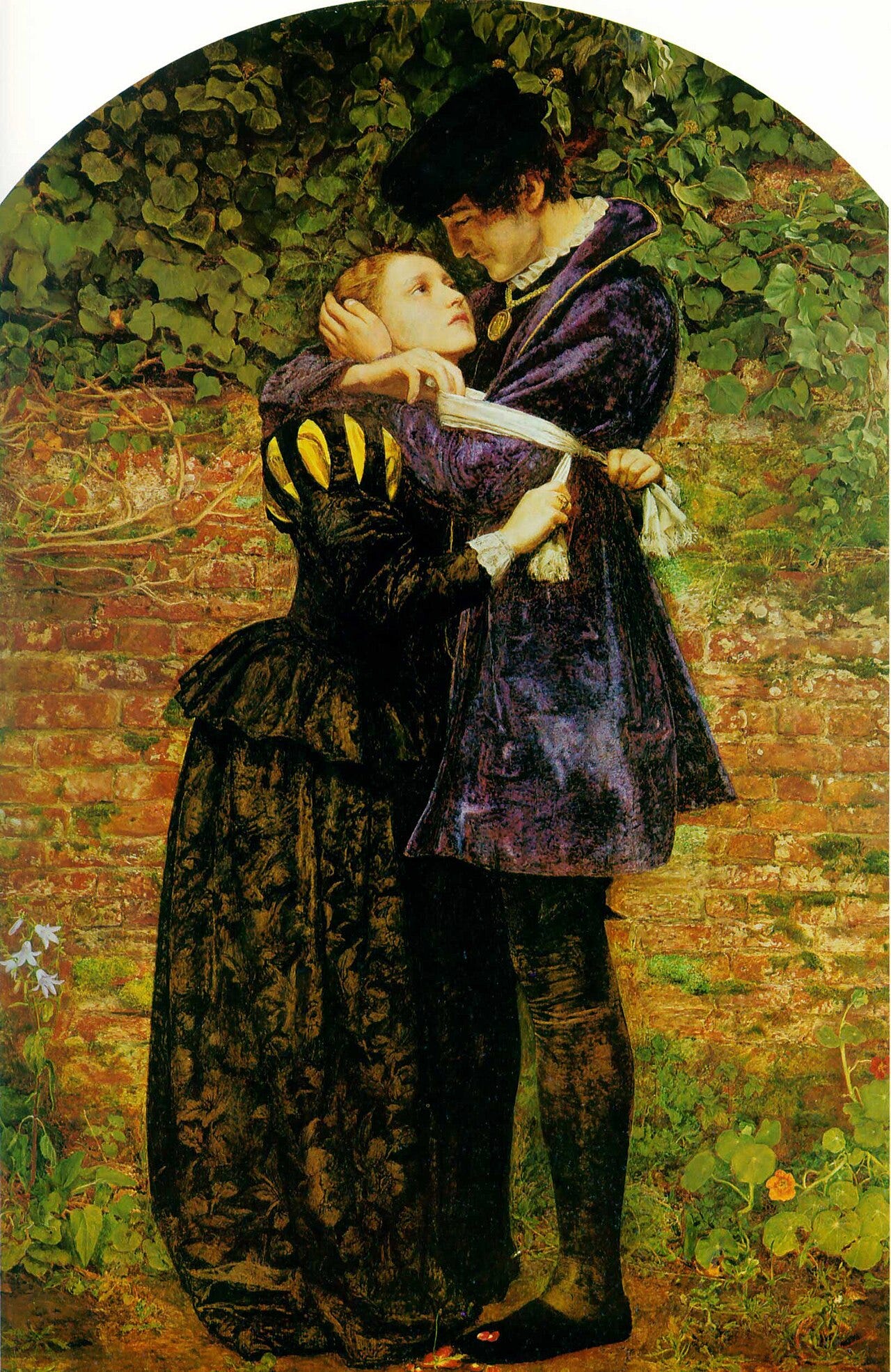
“Consider at what price you sell your integrity; but please, for God's sake, don't sell it cheap.” - Epictetus
Aesop tells us of a wolf who was starving. It was a hard winter, even his ribs were showing. Then one day, on the road he met a dog who was sleek and well fed.
The dog pitied him. Come home with me, he said. Guard the door, wag at the master, and you’ll eat meat every day. The wolf, half dead, agreed and trotted alongside, already tasting supper.
Then he noticed the fur on the dog’s neck was rubbed bare.
“That? It’s nothing. It’s where they chain me during the day.”
The wolf stopped, thought for a bit, turned around, and went back into the woods- hungry.
Most of us keep walking toward the house. We want to be fed, to be wanted, to belong at somebody’s mercy, and we call the collar a small thing. We say we’ll be out soon. We end up domesticated. Others tell themselves that they’re not exactly attached to the situation or partner and in the end they’ll leave, but they don’t understand that if life could end right now, they’d have lived a less than ideal life and that’s no way to live or be alive in this splendor.
They don’t see the cognitive dissonance in what they’re saying and doing and how it’s fracturing their psyche and making them miserable.
rationalization and how it destroy us
I’ve seen people stick with cheating partners who have done so multiple times. They stick with them because they think that by doing so they’re...