

A quick update before we begin- I’m in the final stages of editing The Stoic Manual: Meditations on the Art of Living, a collection of 150 Stoic meditations on living well. It’ll be released soon and included free for all Annual and Lifetime members.
Welcome! I started this Relationship series because most people, myself included, tend to compartmentalize instead of integrating what we’ve learned in Stoicism. For example, I may be courageous enough to cut up a person and fix whatever is wrong with them but sometimes when it comes to relationships and handling the delicacies that require an unholy amount of courage- I find myself shying away, which in hindsight, leads to more trouble than I’d have let on. Relationships are one of the hardest places to practice love, good judgement, kindness, patience, duty, and self-discipline. And if it’s relevant to you, that’s why last time we talked about Why You Will Marry the Wrong Person & When Does an Affair Begin?. Let’s get into today’s lesson.
Why We Spot Red Flags Poorly
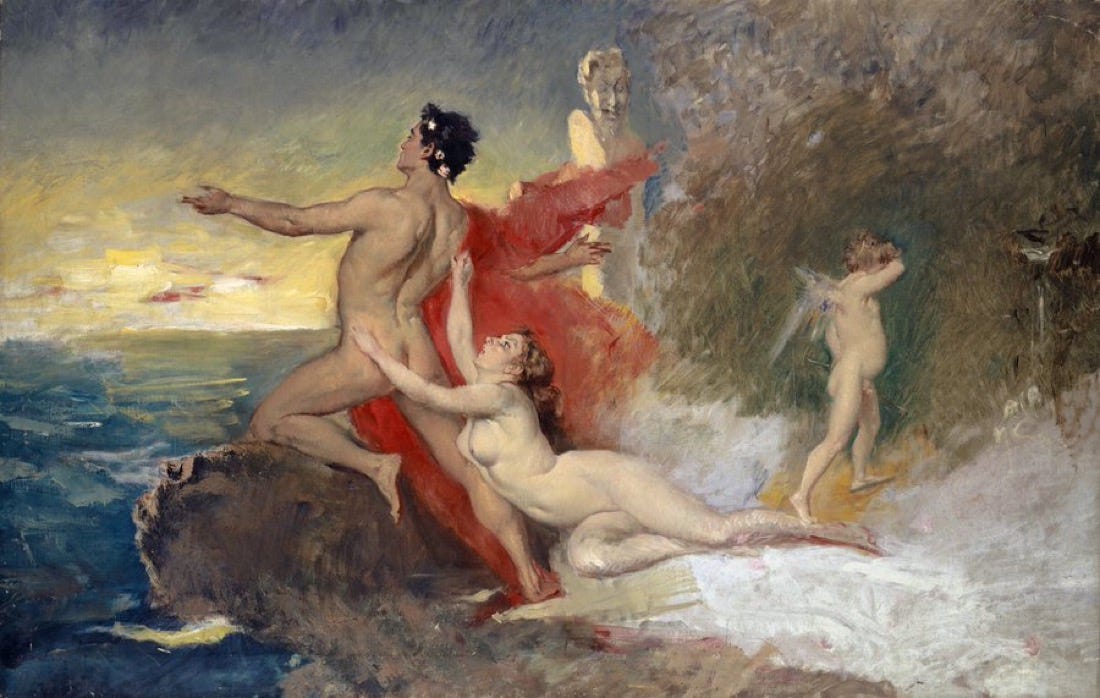
The horse was too large to fit through the gates of Troy.
That detail is seldom noticeable when the story is retold. Virgil tells us that it didn’t occur to the Trojans that they had to tear open part of their wall to bring the horse inside. Funny enough, after ten years of keeping the Greeks out, they took up their tools and opened the city themselves.
They had already been warned. Laocoön threw a spear into the horse, and the blow produced a hollow sound. Cassandra was shouting herself hoarse about what that cavity contained. As the Trojans pulled the horse through the opening, it stopped four times. And four times the armor of the men hidden in its belly clanged. Four times.
The Trojans heard all of this. And they proceeded to cover the horse with flowers, drag it into the city, celebrate and go to bed.
Troy fell that night- in Virgil’s phrase, “buried in sleep and wine.”
We usually remember the story as proof of Greek cunning. Virgil also gives us a story about Trojan cooperation. The Greeks built the horse and left it on the beach. The Trojans opened their walls, dismissed their witnesses and carried the danger into the city without violence or coercion.
Something similar happens in relationships.
Most of us see the first…