


Welcome! I want you to live a fun and illustrious life, dear reader. But much of what modern life sells us as interesting becomes boring quite quickly, yet we keep returning to it because most has become a habit while dismissing activities that could absorb us for hours and leave us deeply entertained and fulfilled. Stoicism asks us to examine these judgments- what are we calling boring before we’ve experienced its pleasures, and what are we calling enjoyable even as it leaves us bored- restless? Our happiness depends partly on learning to tell the difference. If you missed the last edition on Why Highly Self-Aware People Suffer in Ways No One Sees, you can catch up right here.
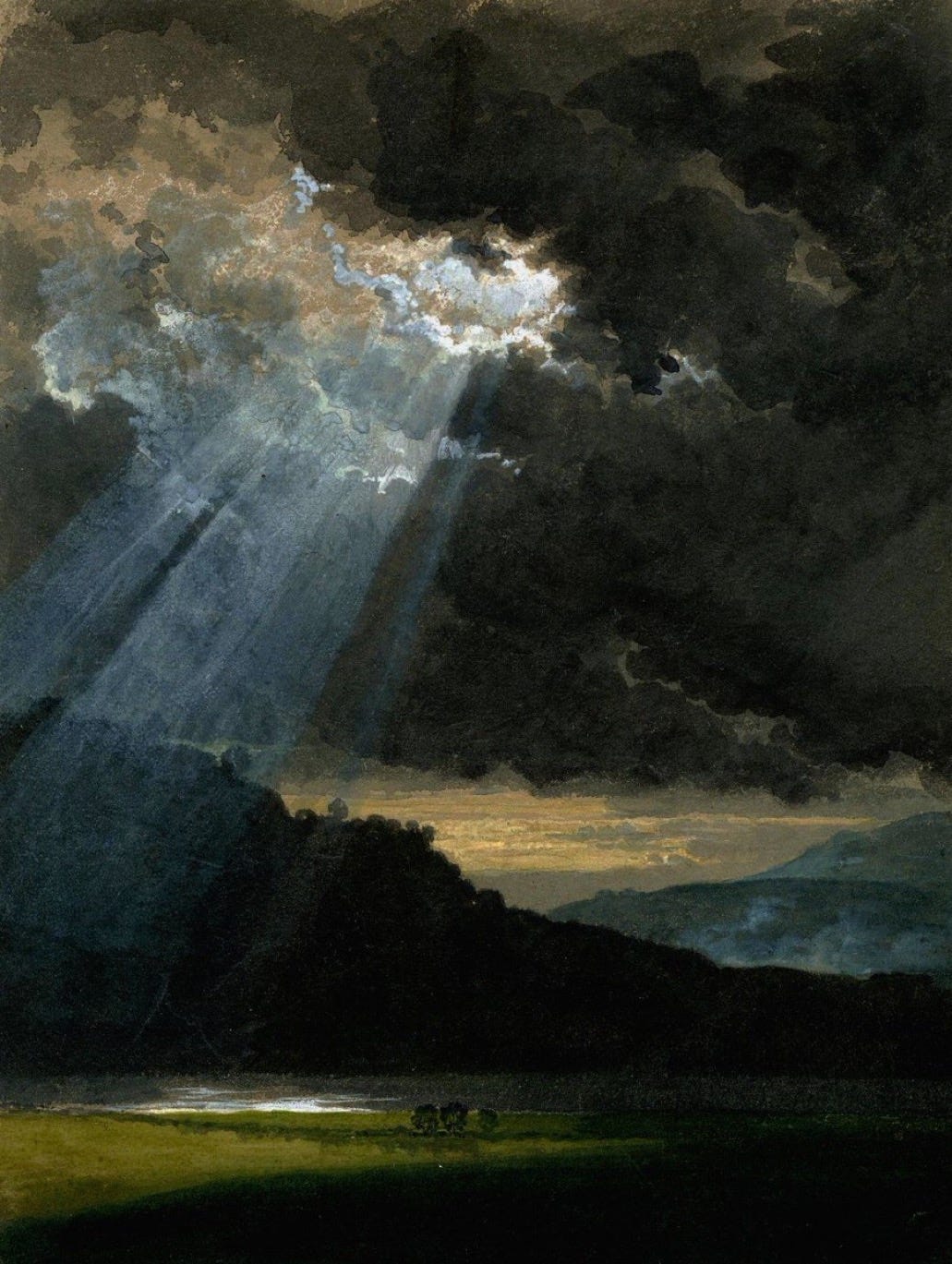
We have reached the heights if we know what it is that we find joy in and if we have not placed our happiness in the control of externals. The man who is goaded ahead by hope of anything, though it be within reach, though it be easy of access, and though his ambitions have never played him false, is troubled and unsure of himself. 3. Above all, my dear Lucilius, make this your business: learn how to feel joy.” - Seneca
What am I looking for when I get on Twitter or TikTok first thing in the morning?
Have you ever stopped to ask yourself that question?
Often, we can’t quite answer it- partly because opening the app has already become automatic. Yes, the first ten minutes may be interesting. But then it becomes boring rather quickly, and we keep scrolling, digging- hopping to find a fun or inflammatory tweet that sparks our interest again. We even forget everything else while looking for this thing.
I’ve come to think that social media is quite boring.
Our insistence on it, because it once gave us a treasure trove of hit after hit of memes, strong opinions about a sect we hate and funny videos, clouds our reason until we believe our lives pale in comparison. We give it another hour, become increasingly restless, frustrated- then feel like ordinary life no longer seems enough in the desire but failure to be removed out of ourselves. And that’s why, if we’re courageous enough, we ought to hold social media and every other thing of similar kind, loosely- about the length of our arm.
Wholesome experiences exist for our discovery and enjoyment, including some we’ve dismissed without giving enough of our courage to find out what they’re all about.
a day I’d happily live again
An ordinary day I’d be happy to keep living begins at around seven- have coffee, then walk or run around the neighborhood while I work through what I’ll be writing. I could do it on the treadmill, but I’d rather be outside where I face the elements. A bit of gloomy weather helps me appreciate the less-than-ideal part of life; sunny weather helps me notice how vibrant the world can be. Both contribute to how I live, think and enjoy my time here.
Walks and runs stuff me with an enthusiasm ready to explode when I come back to write down the ideas I’ve been thinking about. I say hello to the security guard at the gate, sit at my desk, and get to work. Later I read, perhaps nap, write some more, go for a drive, swim or do my workout, then talk to my girlfriend over supper.
A day like that, though it doesn’t contain the complete list of activities I’d like, is fulfilling enough that I’d happily keep living it ad nauseam.
What interests me most about this way of life is what it does to my mind- the lasting feeling of fulfillment, the accomplishment of a goal, the absolute absorption in a thing such that nothing else matters other than building this beautiful project of mine. Then a reader tells me how something I wrote helped them live better, and the pleasure extends beyond what happened at my desk. This reminds me of what Musonius says about discipline, something we’ve come to ill-define as boring, “If you accomplish something good with hard work, the labor passes quickly, but the good endures; if you do something shameful in pursuit of pleasure, the pleasure passes quickly, but the shame endures.”
What most would term as boring is to me a slow and steady high that comes from doing hard things that align with who I am and getting better at the skills within them. From the outside, you might only see a man sitting in a chair looking a bit miserable.
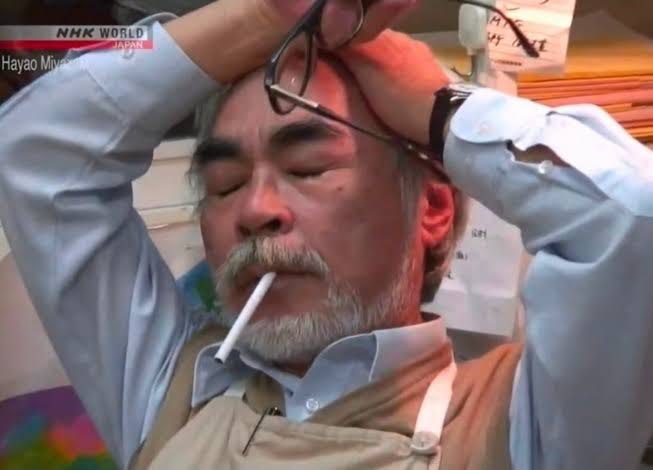
happiness is simple, not easy
Some of the most satisfying moments of my life have involved spending hours doing something I was struggling to get right. Surgery has given me plenty of those.
Take a tendon repair. Someone has severed their hand and can no longer move their fingers as they should. Your task sounds simple enough- find the cut tendon ends and stitch them back together. Simple. Read simple- not easy. Finding them can be difficult, and once you have, bringing them together with a suture asks even more of your skill and patience. For a beginner, you can spend hours on this one procedure.
But you persist, and when you’re done and see those fingers move again, it makes you feel like a god- almost. There’s healing and rehabilitation ahead, of course. But, that action of rescuing function to what was almost lost brings a satisfaction you want to experience again. You want to handle the difficult part better, make your movements more efficient, and become competent enough for cases that once seemed beyond you.
From a physiological perspective, what makes the work pleasurable is that it has several of the conditions Steven Kotler describes as flow triggers- a clear goal, immediate feedback, and a challenge that engages your abilities- such that or a while, even the problems in your life, your insecurities, or what people think about you have very little room. The adrenaline and dopamine hit you get from this kind of activity compels you to stay there and go at it again.
This is part of what we miss when we imagine that the happy life would require no exertion. But the truth is that some pleasures become available only after we’ve put ourselves into something demanding enough to absorb us. There’s no shortcut.
happiness is in the absorption of your attention
I know. The first few minutes of a run, a book, or a conversation may feel unpromising. You have to leave the house, work through an awkward introduction, or give Dostoyevsky enough attention to enter his world of the Karamazov brothers. But I’ve never regretted making time for these things. More often, I ask myself why I didn’t create enough time to do more of them.
That memory of the sequence of what happens helps me begin again the next time. Courage and an open mind get me through the initial resistance; as I look forward to the unfolding experience I’ve come to crave. Do it often enough and something you once had to persuade yourself to start becomes something you hate to miss.
I want you to understand that even the pleasures we call effortless ask for our participation. Paying attention to the person in front of us takes effort when it’s so easy to disappear into our ruminations and insecurities. We can spend an entire dinner beside someone we love while mentally arguing with someone who isn’t there.
The pleasure comes from this constant redirecting of our mind toward the person, the activity, the world outside. And none of that is passive. Creating art, socializing, having sex, noticing the weather- we have to give ourselves to the experience.
two opposites can make a whole
Of course, an absorbing occupation can consume your life. I’ve seen accomplished people die suddenly and found myself wondering how much they’d deprived themselves of, how much they’d kept postponing to live when there are whole experiences available beyond the thing we happen to be good at.
Richard Feynman would go to a strip club, settle into a booth, and work on physics on the paper placemats. When something caught his eye, he’d draw a dancer or a customer. He even gave the club owner one of his drawings and earned himself free drinks. So there he was, enjoying the entertainment, preparing lectures, practicing his art, with a complimentary 7-Up.
His curiosity had already caused trouble at Los Alamos, where some of the most closely guarded secrets in the world were sitting in locked filing cabinets. Needing documents one Saturday, he found the library inaccessible and remembered that a colleague kept copies in his office. He went there and tried the cabinet locks. Nothing.
Searching a desk, he found a sheet with the value of pi scrawled across it. That looked promising. He tried the digits in different arrangements, turning the number around in every way he could think of. And twenty minutes later, nothing.
He was leaving when he thought of another mathematical constant: e. He went back, tried 27-18-28, and alas! The lock opened. The other cabinets used the same combination. An his afternoon’s side quest had given him access to the collected secrets of the atomic bomb.
Yet this appetite for experience also led him to question his own pleasures. In Brazil, after regularly drinking with acquaintances, he passed a bar one afternoon and felt a tremendous urge to go in. He started toward it, then stopped to ask himself why. He was alone. There was no social occasion. Why did he want a drink so badly?
The craving frightened him, and he gave up drinking. Thinking gave him enormous pleasure; he wanted to preserve the mind through which he enjoyed his life.
This is what I mean when I say we can live contradictory lives. We can dedicate ourselves to difficult work, pursue a crazy side quest, enjoy ourselves, and remain willing to examine what our pleasures are doing to us and if we’re taking it too far. There’s room to build something beautiful while exploring the fringes of the world around us. Two opposites can make a whole.
I’ve been through the party life, too. It reaches a point where it becomes exhausting and meaningless even though it’s supposed to help you unwind, get inspiration and connect with friends. Taking a break makes the experience acutely fun again. A few weekends at home become easy enough when I have a good relationship with my work, my time alone, and something to look forward to.
Seneca observed that the mind needs release from constant use. He compared uninterrupted labor to exhausting fertile land through continual production. I want an intentional structure where I’m building something meaningful while leaving room to try unfamiliar food, talk to a stranger, go to a festival, take a spontaneous hike, or spend a less demanding week with people I love.
Some of that requires risking embarrassment and being a beginner again. It also requires stopping work when I said I would, while there’s still time and energy to live out the rest of my life.
create your ‘boring’ life within constraints
Perhaps your work gives you very little of this satisfaction, and your days feel full before you can steal some for yourself.
That’s a reason to begin planning your exit with some urgency, or to find a tangent on your career that lets you live better while sustaining your needs. I’ve written elsewhere about changing careers without feeling you’re starting from zero. You can go through it here if inclined.
Toni Morrison had small children and a full-time job. She couldn’t count on an uninterrupted day for her fiction, so she used the time before the children woke, along with weekends and intervals between commitments. Writing before dawn began as a necessity. But she found a place for what she wanted within a demanding life.
Our circumstances may differ , but we have to be honest. For some of the time we say we don’t have is hemorrhaging into activities we don’t enjoy and to our shock, to impress people we don’t even like.
That’s why I want you to create and protect time for your ‘boring’ activities- the remedy to your restlessness, and possible respite into happiness.
‘Til next time. Have a good day ahead!
My books:
The Tools — Ambition asks a great deal of your mind and body. I wrote The Tools to help you meet those demands. It covers how dopamine shapes motivation, how to structure your day for deep work, and how to use exercise, nutrition, sleep, and Stoic practice to sustain your energy when the work gets hard.
The Best of Marcus Aurelius — I’ve read Meditations more than a hundres times. What’s in this book are the passages I keep coming back to, arranged around eleven themes so you can find Marcus when you need him most. Open it when someone has tested your patience, when pain becomes too much, or when you’ve been so busy getting through the day that you’ve missed what was beautiful about it.
You can buy either book on its own. Both are included with an annual or lifetime membership to The Stoic Manual.
Our Stoic Community:
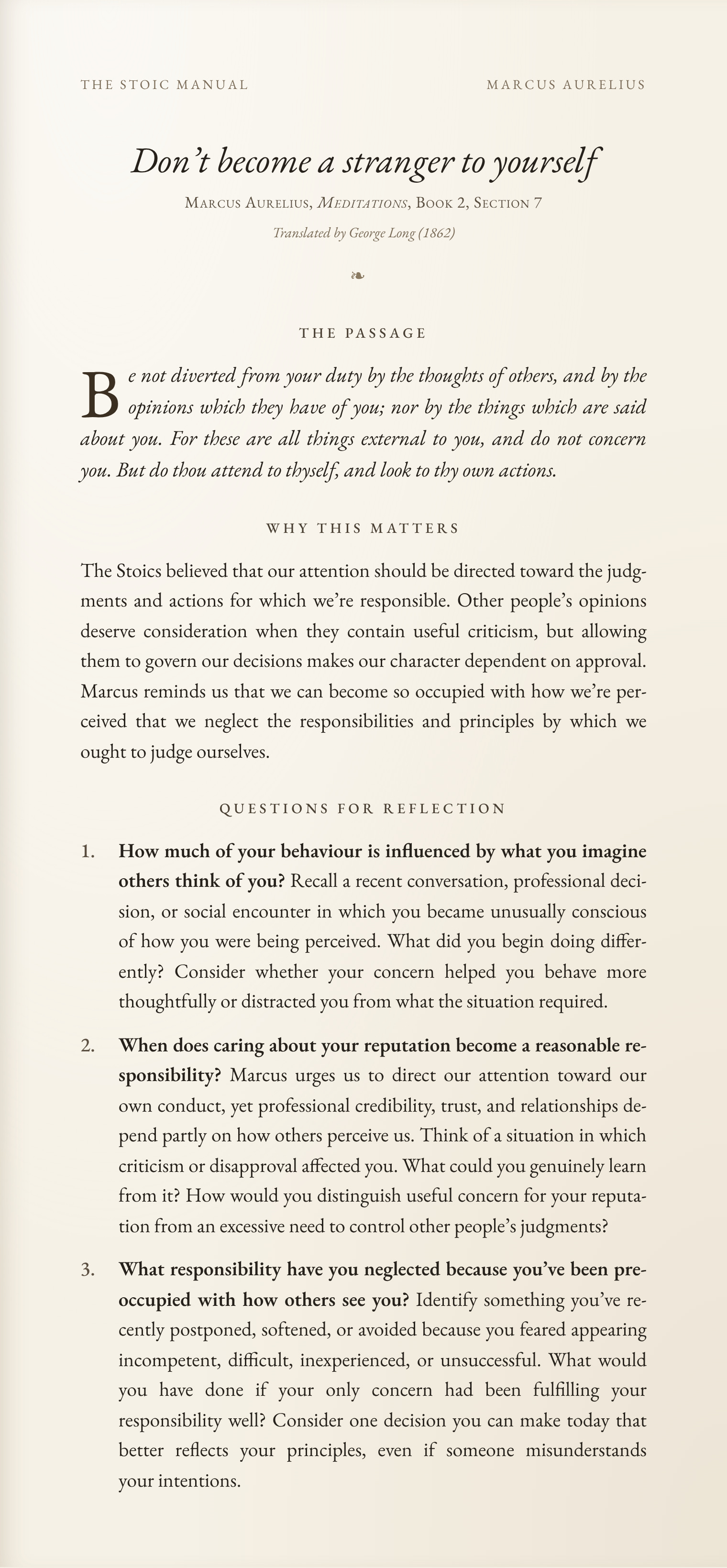
It’s easier to read about Stoicism than to practice it. Try the passage below with a situation you wish you’d handled better. If it helps, join me and other paid readers for a few minutes of practice each day in the Stoicism Together Club.
With love,
Antonius Veritas, M.D
The older I get, the more I agree. But you know, letting loose is fun too.