


Welcome, dear ! Stoicism asks us to examine the judgments we indulge while suffering. When our health, wealth, work or independence is threatened, we can spend hours living through losses that haven’t happened. This workbook helps us notice where we’re doing that, question what we’re predicting and still give today’s difficulty the care it needs so we can reach a solution. If you missed the last edition on How to Change Careers Without Starting From Zero, you can catch up right here.
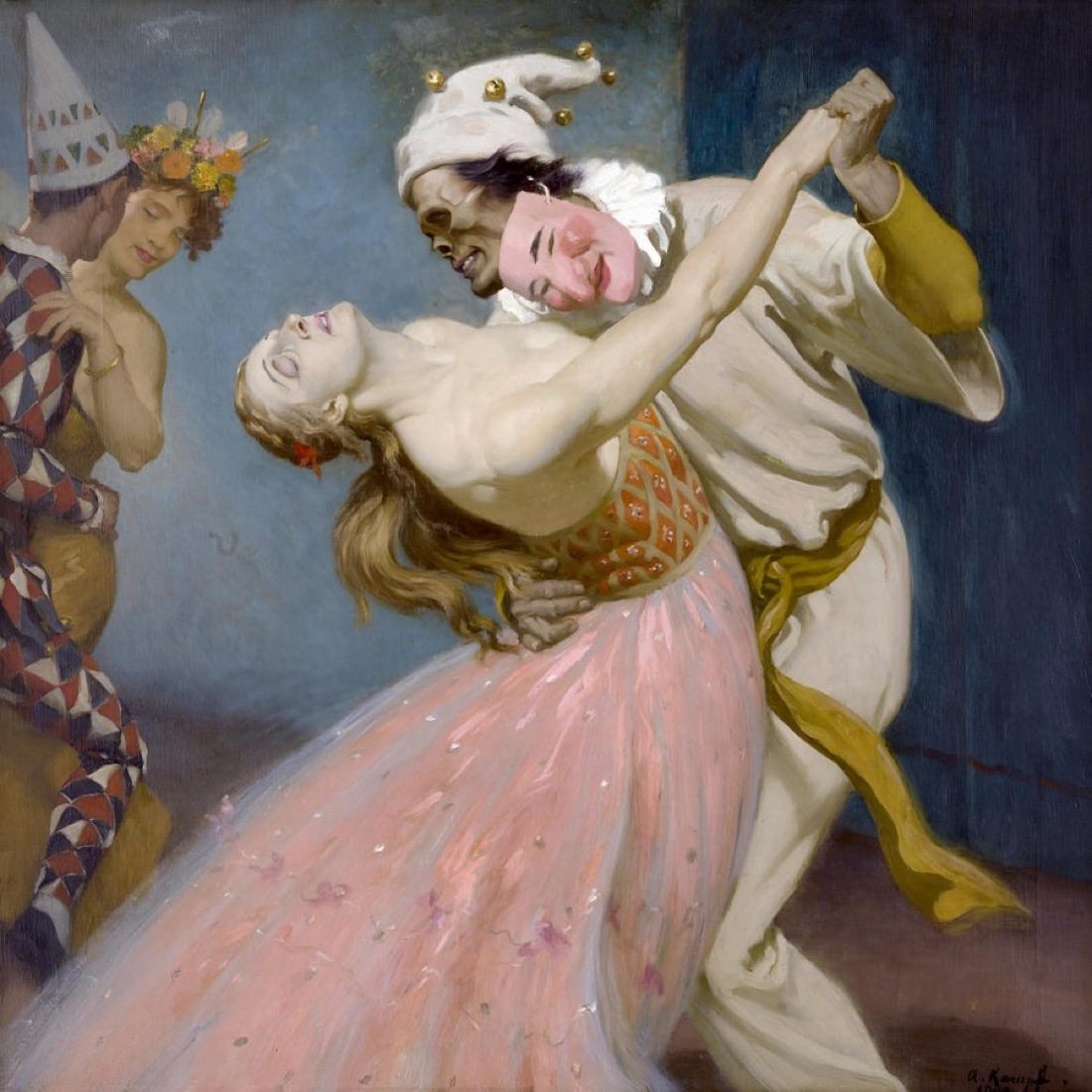
A king had an only son, a brave young prince who loved hunting. One night, he dreamed that a lion killed his son.
Afraid the dream would come true, he built a beautiful house high above the ground and kept his son there under guard. To entertain him, he decorated it with paintings of animals, including a lion. Seeing them only made the young man more miserable.
One day, he stood before the lion and said, “You wretched beast! Because of you and my father’s false dream, I’ve been locked in this house like a prisoner. What shall I do to you?”
He struck the wall with his hand, trying to put out the lion’s eyes. But a splinter pierced his finger, causing swelling and inflammation that spread to his groin. A fever followed, and he soon died.
So the lion killed the boy even there, and his father’s timid precaution did him no good.
See, we understand fear, anxiety and worry can make things worse. But it’s harder to remember this when we’re suffering and have a lot to lose.
An illness forces us to step back from the work we’ve dedicated our lives to. Colleagues take over our decisions. Clients begin calling someone else. We’re grateful for the help, yet frightened by how easily things might continue without us. We start wondering whether we’ll return with the same stamina, whether people will still trust us with responsibility, whether everything we’ve built is sustainable without our best effort. Today’s pain comes with everything we fear it might become.
That’s why I want us to figure out how to care for ourselves while keeping those fears from consuming the time and strength we still have.
Keep one painful or difficult situation in mind as you work through these questions.
October 31, 2026 — On The Futility of Suffering Twice
Seneca, Moral Letters 78.14
“Each person is as miserable as he believes himself to be. I think we should put aside complaints about past suffering, and statements like these: “No one has ever been worse off. What tortures, what hardships I endured! No one thought I would recover. How often my family mourned me, how often the doctors gave me up! People stretched on the rack suffer less.”
Even if all this is true, it has passed. What good does it do to go over past pains and be miserable because…