
Odysseus and the Dangers of Pleasure
These objects for which you strive so eagerly, as if they would give you happiness and pleasure, are merely causes of grief.
A quick update before we begin- I’m in the final stages of editing The Stoic Manual: Meditations on the Art of Living, a collection of 150 Stoic meditations on living well. It’ll be released soon and included free for all Annual and Lifetime members. Meanwhile, access my other books here
I’ve wanted to wrote this piece for the longest time since watching The Odyssey by Chris Nolan. I’m excited for you to read it. And I hope you enjoy it as much as I’ve enjoyed writing it.
Odysseus and the Dangers of Pleasure
“Joy is the goal which you desire to reach, but you are wandering from the path, if you expect to reach your goal while you are in the midst of riches and official titles,—in other words, if you seek joy in the midst of cares. These objects for which you strive so eagerly, as if they would give you happiness and pleasure, are merely causes of grief.” - Seneca
“If…you seek pleasures of all kinds in all directions, you must know that you are as far short of wisdom as you are short of joy.” - Seneca
They came back crying.
Odysseus sent some of his men to an island on his way back to Ithaca and their bravery got tested on a rather trifling scale. At least they saw the cyclops coming. But this time, the locals were welcoming and quite generous. They were looking for food and found it they did. Plenty. Even the lotus flower. Unfortunately. And as with all free pleasures, it came with a cost.
The men now didn’t want to get back on their sea voyage. The journey back home seemed too crazy, tiring and riddled with much unnecessary danger. Why not just settle on this beautiful island where they had everything rather than risk their lives for nothing, no guarantee?
Bereft of any other option, Odysseus sought to force these warriors- turned- children back to the odyssey. They threw tantrums. Grown men cried. But our hero knew better than to allow them to persist in this deplorable state any longer. They had to get back on the mission, even if it meant tying them steadfast on their rowing benches.
It’s weird isn’t it? Put yourself in these men’s shoes and you might wonder if Odysseus is depriving them of something essential, something special, pleasurable- being callous.
It’s like all the work they did to fight monsters and brave the cold, the hunger, no longer meant something. There’s no desire to go back home.
Now let’s look at our own lives. I’m sure you’ve felt so tired and overwhelmed by the work ahead of you that you just want a break, a vacation, or perhaps a few days partying and disconnected from the eternal pushing of the work boulder.
You might sleep in for a couple of days, watch a few more reels before bedtime or pour yourself one more glass of wine. And, granted, that’s good if you do it once in a while. The problem comes when you do it again and again the next day, and the next until the habit creeps up on you and now you can’t stand engagement with anything mildly boring, hard or one that takes time.
Epictetus once told his student that it’s normal for passengers, once a ship alights on the shore, to pick up a shellfish or two, enjoy the ambience and maybe rest up for a while. But the journey must continue. When it’s time to go you must leave everything you’re doing and get back on the ship or you’ll be left behind with no way back.
Here, he was trying to ease us into the idea of death, to enjoy the shore while we’re there but trust the grand destiny of our journey. Cool cars, good food, beautiful women, mind-blowing entertainment, more money than you could ever use- are good to enjoy and make the most out of. But we must never forget our mission- the promises we owe ourselves, our loved ones and the community at large.
We can’t fall into the trap of the lotus.
rest or languishing?
Helen used to mix nepenthe, an analgesic for the mind and soul, with wine to ease Telemachus and Menelaus from their painful memories. This concoction offered momentary escape from grief and sadness but unlike the lotus eaters, they didn’t let it engulf their lives, they found their way back to reality.
The greeks knew life wouldn’t stop it’s assaults just because we’re on top of things. They knew we’re human. Sometimes we need a drink. Sometimes we do need to sleep in. But we ought to act in such a way that it doesn’t neuter our energy for the next day, or let the search for our fix affect our work, and the way we love or think.
We don’t want to chase endless pleasure only to become endlessly irritated and frustrated because our fix is no longer scratching the itch just because we’ve become so desensitized to it.
I know. I know. Even Tennyson understood it. You feel like you deserve the break. You’ve worked too hard, suffered for long. You’ve spent sleepless nights wondering when it’ll end or become easier. Surely, there must be some point where you get to let go of the strictness, enjoy yourself.
It makes sense. Maybe you’re just exhausted or burnt out. And perhaps what we need is help, lesser work or some time away from it all.
But we must beware of endless recovery sessions. We must revisit the idea of work as essential to our joy and well-being. For the only point where it ends is when we die. Otherwise, it’s daily struggle and little glimpses of respite. Not to sound depressive. But to try to usher in you the idea that pressure can be joyous, hard work can be fulfilling, suffering can be meaningful- and we can take our breaks and get back to it, of course with some dread, but without losing our minds- crying, devastated. I want us to imagine the age old idea by Camus- to imagine Sisyphus happy.
on the dangers of success
Seneca, the cool and wealthy Stoic, once left his vacation from Baiae (Monaco of back in the day) immediately- a town filled with so much fun and parties because he felt it threatened his ability to practice philosophy. Prominent people in Rome came here to escape the demands of office life, much like our corrupt politicians.
Even though he had made progress in being disciplined and wise, he knew our environment has much influence on our character. If he were here today, he’d say you’re as fit as the contents in your fridge. That’s why after a week, he removed himself from the situation because he reckoned he might have to fight more than he needed trying to resist the abundance of daily pleasures. He feared the inevitability of becoming soft.
Again, Seneca once made fun of another wealthy Roman called Vatia whom a flock of women desired and men wished would be him. They professed that he was the only one who knew how to live. But when our philosopher passed near his house, he would let on his condolences saying, “Here lies Vatia.” Because yeah, Vatia was living a life full of plunder, but his entire essence was reduced to that inglorious life of serving pleasure. How sad? Having no color, no struggle or peak moments in life. Just paying stupid bills.
Imagine not being there for your friends just because they would disrupt your leisurely routine. Or neglecting an argument with your partner when you know it could bring you guys closer just because you don’t like being uncomfortable. Or letting your dream remain so just because you don’t want to do whatever is necessary to get it.
This is why it’s prudent to be more careful of success and indulgent of failure. Otherwise, we destroy ourselves by becoming soft and weak. It’s Marcus Aurelius, commander of legions and wealthiest man in the world in his time, warning himself not to become Caesarified. Because it’s how you come not to tolerate inconveniences, be allergic to correction or dreaming bigger or doing what’s necessary or pivoting a business because you fear loss in status or the upfront effort it’ll take.
We can’t run away from the discomfort that made us who we are, that brought us this far.
on useful distractions
I must admit that sometimes I like to watch something interesting on Youtube while I eat. It could be about a new business tool or a review of a car I have no intention of buying. And then someone calls me and the connection gets interrupted or I have to go back to work and I feel more annoyed than due proportion. That’s how I know that not all distractions feel shameful.
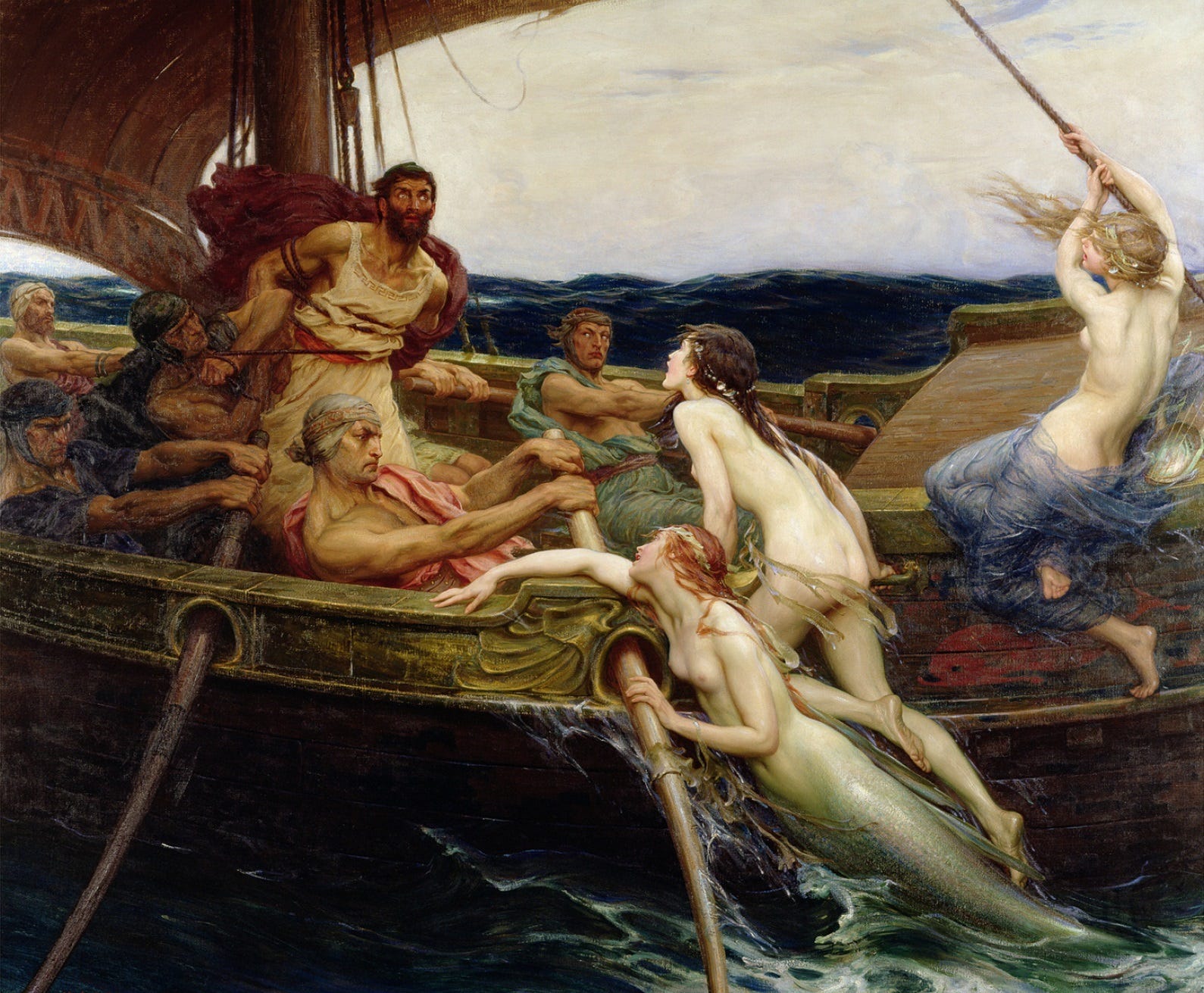
The sirens in our lives, just like in the Odyssey, promise to quench our intellectual curiosity or give us some mind-blowing idea about this and that, but in reality it’s all a trap. We gather all this information but we never use it. We never change our lives, become better people, or achieve our goals. All we do is accumulate, feel proud and remain stagnant.
And that’s why this is another form of insidious pleasure that we should take care not to fall victim to because on the outside it looks admirable. Anyone respectable does it. Why shouldn’t we indulge?
Don’t get me wrong. Reading is important. It’s what enables me to write you these essays. But it can’t stop there. Let the information you read reflect in your daily life. Research, preparation, and learning can’t be the end all be all. We can’t avoid the depths and the saccharine bounty of real life. Of doing cool stuff.
And on the other side of the coin, work can’t be everything- we can’t use it as an excuse not have an active and wholesome life. Fix your relationships, lose some weight or face your demons while you’re at it. Life is more. So much more.
create your non-negotiables
Odysseus does a very interesting thing when he faces the sirens. He reckons that he’ll want to hear the enchanting siren songs and so he tells his crew to tie him to the ship’s mast and not to listen to him even if he begs for release. He’s aware of his irrational desires yet he puts measures in place to ensure he doesn’t compromise himself or his crew.
I wish more of us were the same. Because we set aside a resolution on Sunday evening to hit the gym the next morning but day breaks and we negotiate until the window to act closes. We pledge to save more money, or rather spend it on more useful things, but after two days- after a bad day- we’re online putting some stuff we think we deserve on the cart.
Of course it doesn’t work when we do things this way. The key, just as Seneca left Baiae or Epictetus set his attention on the ship, is to not need willpower to do whatever we need to do. The key is to make things easier for ourselves. Prepare for the workout before the next day or plan to meet a friend so you can stay accountable. Create a budget for the things you like, save for the expensive ones and track your expenses beforehand. It also helps to be more specific with our rules. For example, we can’t just say we need to drink less- the best move is to cap ourselves to three drinks. Then do the same for what you’re avoiding- be brutal and specific about where you’re wasting time, about why you’re avoiding a piece of work so that there’s no room for negotiation or for things to continue slipping by you.
Sure, getting back on your voyage will be hard. You’ll perhaps regret every moment. You’ll be angry. Or wail like the men of Odysseus, but get back on the path you must- because you get stronger, it gets easier, and your desire to want to push yourself, to do better, to experience a life larger than you’re currently living will come back. I promise you.
One day you’ll voluntarily pick up the oar and get back to Ithaca, as is your destiny. It’ll all make sense soon enough.


A lot of what gets sold as “freedom” is really just being easy to command by whatever feels good for five minutes. That distinction between enjoying something and being governed by it is everything.